
THEMATIC CLUSTERS
Cultural Crossroads:
Urban and Heritage
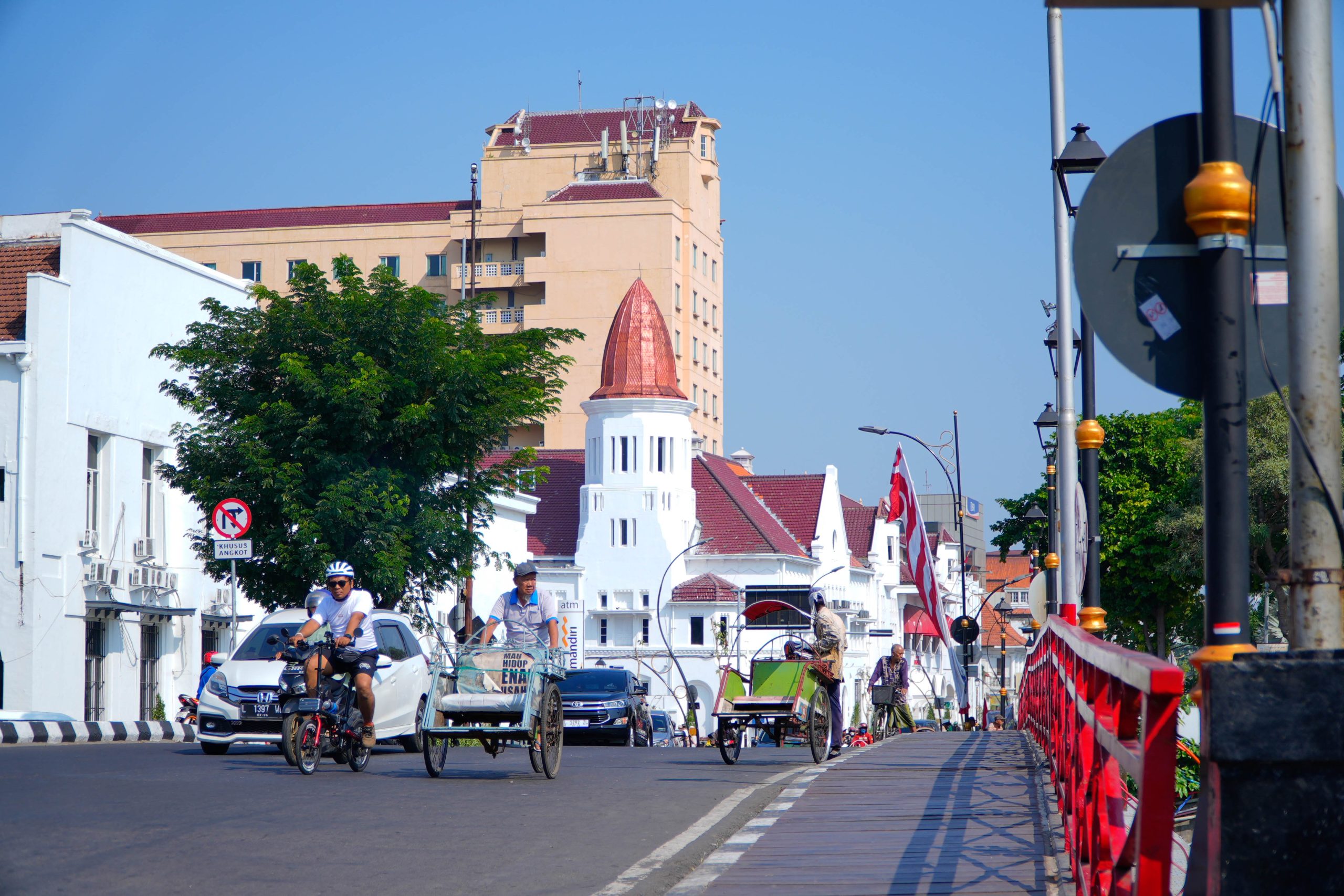
The “Urban and Heritage” cluster aspires to establish a comprehensive and dynamic academic framework that seamlessly integrates the complexities of urban development with the imperatives of glocal (global-local) heritage knowledge production. Anchored in principles of inclusivity and adaptability, the cluster prioritizes the incorporation of diverse perspectives, interdisciplinary methodologies, and robust community engagement to address the multifaceted challenges posed by urbanization while safeguarding cultural heritage as a vital component of societal identity. Central to the research agenda are critical inquiries into the dynamics of urbanization toward heritage, the innovative (re)purposing of historic structures through adaptive usage, and the sustainable management of cultural landscapes. The multidisciplinary approach is underscored by the integration of expertise across fields such as art, architecture, sociology, history, environmental science, and the humanities. This allows for the development of more sustainable, advanced, and long-lasting innovative solutions. Through initiatives such as participatory workshops, global research collaborations, and the dissemination of fresh and impactful academic publications, AIIOC aims to elevate greater public engagement and awareness regarding the value of heritage in contemporary urban contexts—demonstrating how the adaptable models of urban growth development and heritage preservation can coexist synergistically.
By doing so, we expect to contribute to the creation of a resilient, inclusive, and culturally vibrant urban sphere that honors the legacy of the bygone while advancing toward an equitable future. As Indonesia embarks on the monumental task of developing its new capital, Ibu Kota Negara (IKN), in East Kalimantan, the “Urban and Heritage” cluster recognizes the importance of integrating urban growth with the preservation of Indonesia’s rich cultural heritage. The IKN project offers a unique opportunity to study how modern urban planning can harmonize with the country’s diverse heritage and cultural traditions. In this context, the cluster aims to explore how the new city can serve as a model for sustainable, culturally sensitive urbanization, where both historical and contemporary narratives coexist and mutually enrich one another. Key areas of inquiry include the preservation of indigenous knowledge, the adaptive reuse of historical structures, and the sustainable management of the surrounding natural and cultural landscapes, all of which play an essential role in shaping IKN’s identity. By applying the cluster’s interdisciplinary research framework to IKN, the initiative will contribute to the development of a resilient urban space that not only meets the demands of modernity but also honors the legacy of Indonesia’s past.
The Knowing Body:
Health and Knowledge(s)

The “Health and Knowledge(s)” cluster aims to establish a critical interrogation to the intersection of health and diverse knowledge systems. In this dominated technocratic approaches and biomedical hegemony era, AIIOC seeks to challenge conventional health narratives by integrating perspectives from socio-cultural, indigenous, and experiential frameworks. It recognizes the need for a more nuanced understanding of health—one that transcends reductionist models and incorporates the complex interplay of cultural and ecological determinants. This initiative underscores the inadequacy of existing health paradigms that often marginalize non-Western epistemologies and neglect the socio-cultural underpinnings of health inequities.
Through interdisciplinary and participatory collaboration spanning medicine, public health, socio-environmental sciences, and humanities, AIIOC intends to leverage a broader spectrum of expertise to develop critical insights and solutions and ensures that communities are not merely research subjects but active co-creators of knowledge. This approach challenges the commodification of health research and insists on the ethical imperative of all-encompassing, equal, and sustainable 21st century health service. By advocating for adaptable methodologies, AIIOC emphasizes the dynamic nature of global health challenges, calling for a deliberate shift from rigid, siloed research approaches to more integrative and context-sensitive models.
Environment Sustainability
and Climate Resilience
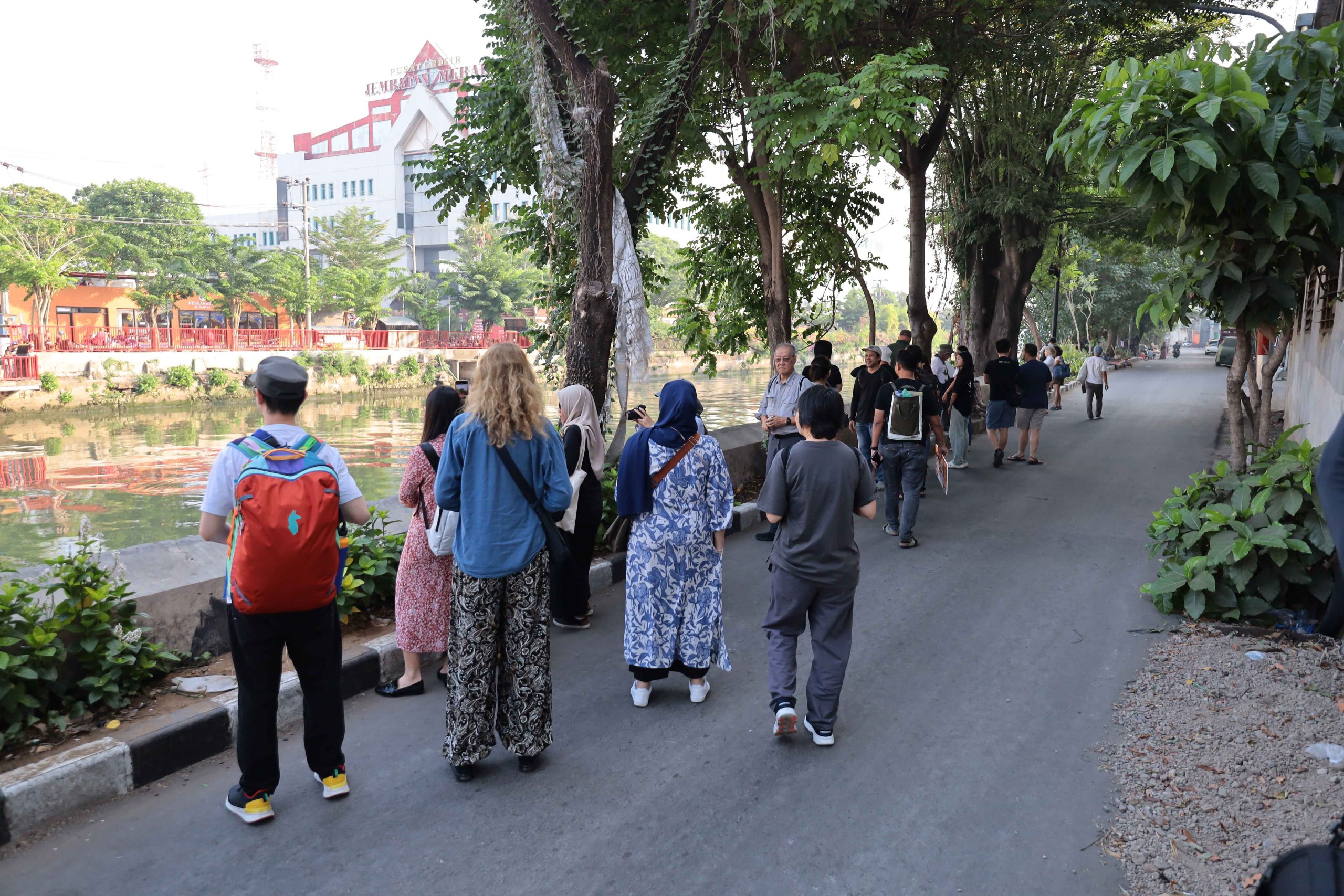
The “Environment and Climate Resilience” cluster aims to establish a comprehensive and sustainable academic framework that addresses the complex, interwoven challenges of environmental degradation and climate change through an interdisciplinary and systems-based approach. Grounded in the principles of sustainability, AIIOC recognizes that climate change and environmental challenges are not solely ecological but deeply embedded within social and health systems. The cluster’s research agenda is centered on developing sustainable and evidence-based methodologies that balance technical precision with contextual relevance.
By investigating climate adaptation and mitigation strategies that prioritize current ecosystem setting, AIIOC emphasizes the critical role of cultural and social determinants, including behavioral norms, local knowledge systems, and community resilience. Through interdisciplinary collaboration spanning environmental science, sociology, public health, urban planning, and digital technologies, AIIOC aims to bridge the gaps between academic inquiry and practical implementation. Ultimately, the “Environment and Climate Resilience” cluster seeks to redefine sustainability as an integrated, adaptive, and equitable approach to creating resilient systems that sustain both human well-being and ecological integrity.